
What to Plant in September in New England and zone 6
The key is knowing what to plant and giving new plants enough time to establish before the ground freezes.
September is one of my favorite months in the garden. The air starts to cool, and gardening feels a little more comfortable after the hot summer. It may feel as though the growing season is winding down. September can be more than a month for harvesting and cleaning up (more on that later). It can also be a great time to plant cool-season vegetables, spring-flowering bulbs, perennials, shrubs, and trees.
Cool-Season Vegetables
As summer crops begin to fade, make space for cool-season crops.
Depending on your location and expected first-frost date, you can consider planting:
Greens: arugula, spinach, lettuces, baby kale, mustard greens
Radishes, Scallions
Saffron crocus, Pea shoots
Cilantro (yup, it’s cool season)
Look for varieties labeled “baby,” “quick-growing,” or “early.” A radish that matures in 25 days is a better choice than a variety that needs 50 days. Seeds may take a little longer to germinate as temperatures fall, so keep the soil consistently moist.
If you are gardening in a colder area of New England, focus on fast-growing greens that can be harvested young.
Garlic
September is generally a little early to plant garlic in much of New England, but it is the perfect time to order it and prepare the bed. Garlic is planted in mid-to-late fall, after a few light frosts but before the ground freezes. The cloves need time to develop roots without producing too much leafy growth above the soil. Choose a sunny location with loose, well-draining soil. Add compost now so the bed is ready when planting time arrives.
Spring-Flowering Bulbs
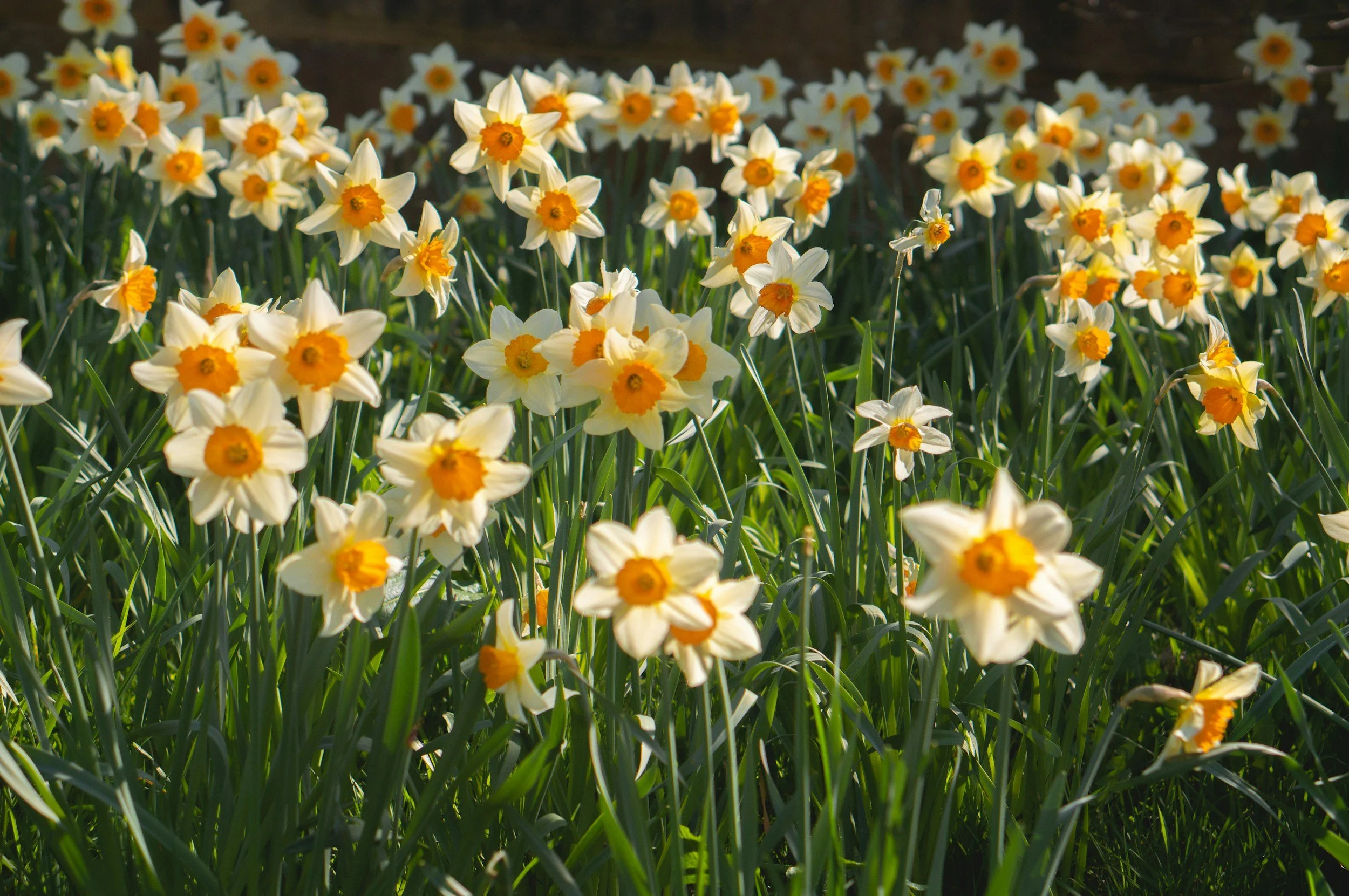
September is the beginning of bulb-planting season, especially in the colder parts of New England. Spring-flowering bulbs need a winter chilling period. Some of my favorites include:
Daffodils, Hyacinths, Tulips
Alliums
Crocus, anemones, Virginia bluebells, muscari
Daffodils and alliums are especially useful in gardens visited by deer and rabbits because they are generally less appealing to them.
Wait until the soil has cooled before planting tulips. Planting them later in the fall can reduce the chance of disease and discourage early growth.
As a general rule, plant bulbs two to three times their height, with the pointed end facing up. If you cannot determine which end is up, plant the bulb on its side. It will find its way.
For the most natural effect, plant bulbs in groups (3, 5, 7, 11) or drifts instead of placing them in a straight line. If you want to stretch your budget, daffodils naturalize and provide more mass in later years. With all of these, you can choose early- to late-spring bloomers to extend the show.
Perennials
Early is a great time to add many hardy perennials. Cooler temperatures reduce transplant stress, while the soil is still warm enough to encourage root growth.
Good choices for a fall garden include:
Asters, Coneflowers, Coreopsis, Heuchera, Rudbeckia, Sedum, Yarrow, Catmint, Hardy geranium & Native Ornamental grasses
Native plants are especially valuable because they help support local pollinators, birds, and other wildlife.
Try to plant perennials at least four to six weeks before the ground freezes. This gives the roots time to settle in before winter. Avoid fertilizing them; the goal is root development, not a flush of tender new growth.
Water deeply after planting, then continue watering daily for 7 days and continue with 1” per week until the ground freezes. Cooler air does not always mean the soil is moist.
Divide and Replant Established Perennials
September can also be a good time to divide certain spring- and early-summer-blooming perennials, including:
Daylilies, Hostas, Astilbe, Peonies, Siberian iris, Garden phlox
Dividing overcrowded plants can improve flowering, restore vigor, and give you more plants for another space or to share with friends. Not every perennial appreciates fall division. Late-blooming plants and anything that is already stressed may be better left until spring. Newly divided plants need consistent watering and weeks to establish, so timing matters.
Trees and Shrubs
Early fall is often one of the best times to plant trees and shrubs.. The combination of cooler air and warm soil allows plants to focus on root development instead of supporting new foliage.
September is a good time to consider planting:
Hydrangeas, Viburnums, Inkberries, Serviceberries, Winterberries, Native dogwoods, Blueberries, Small ornamental trees, Evergreen screening plants
Dig a hole deeper than the plant’s root ball and approximately two to three times as wide. Add loose soil back inot the hole so the root ball is not buried. The root flare, defined as the point where the trunk begins to widen, should be visible at the soil line. Now is a good time to check your existing trees and shrubs to ensure the flare isn’t buried by mulch.
Water deeply after planting and continue watering until the ground freezes. Fall-planted trees and shrubs should not go into winter dehydrated.
Container Gardens & Planters
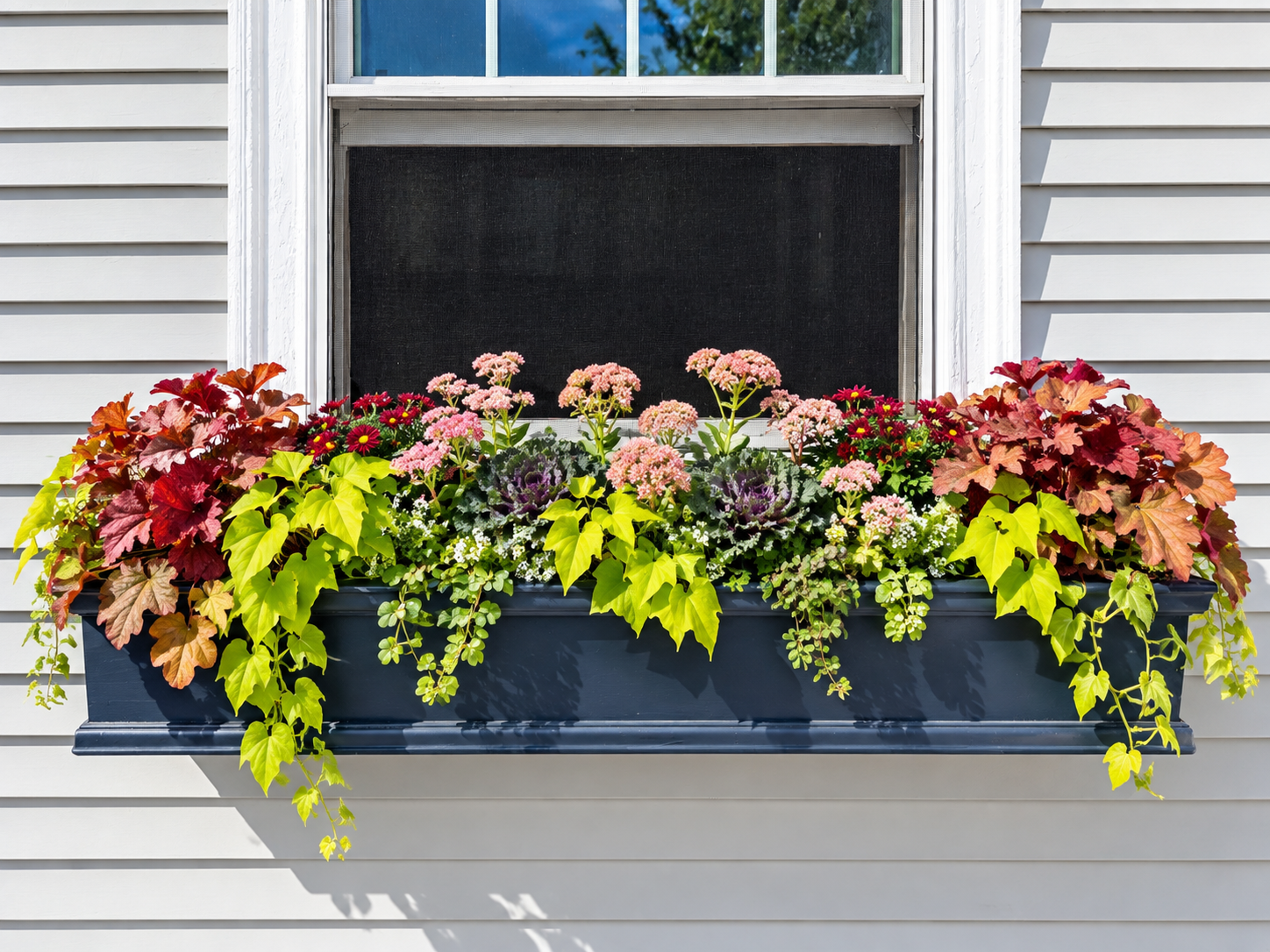
September is also a great time to refresh summer containers. Reach out if you’d like to learn more about our planter services.
Consider using pollinator-friendly plants such as:
Ornamental kale or cabbage, pansies and violas, asters, heuchera, sedum, ornamental grasses, hardy herbs. You can repurpose cut branches, dried hydrangea and other flowers, as well as apples and gourds
Choose a mix of height, texture, color, and trailing foliage. These plants should last beyond the first light frost, giving your entrance, patio, or window boxes another season of interest. You can sometimes move perennials used in containers into the garden before the soil freezes.
Reach out if you’d like to learn more about our planter service.
What Not to Plant Too Late
September can be productive, but don’t push tender or slow-establishing plants too close to winter.
Be cautious with:
Warm-season vegetables, tender annuals, tender perennials, broadleaf evergreens in exposed locations, or anything that requires a long establishment period
When planting later in the season, success depends on your specific location, weather, and first-frost date. Northern New England gardeners will need to finish planting sooner than gardeners in coastal or southern New England.
A Few September Planting Tips
To help new plants become established:
Water deeply at planting time.
Continue watering during dry weather.
Apply two to three inches of mulch, keeping it away from stems and trunks.
Don’t fertilize.
Label bulbs and dormant perennials (if you wish)
Protect vulnerable plants from deer and rabbits.
Stop planting when the ground becomes frozen or too wet to work.
September is a great transition time to harvest and share what summer gave us while preparing for fall, winter, and the spring garden still to come.
A little planting now can bring fresh greens in October, stronger roots for next year, and a beautiful display of flowers when spring finally returns.
With love from Lisa,
Petals & Potager
